
Why Colorado Springs’ Future Growth Decisions Matter to the Lower Arkansas Valley
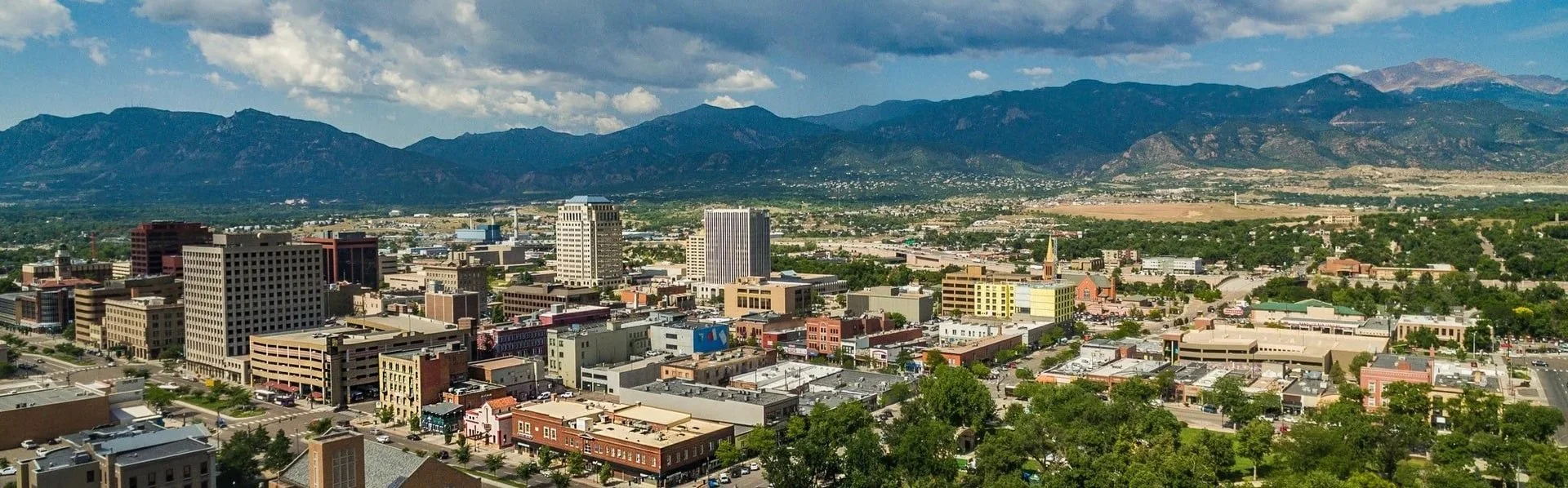
Colorado Springs City Council is about to approve its updated AnnexCOS Plan, its long-range annexation framework that will guide how and where the city grows in the future.
Because growth decisions are ultimately water decisions, the Lower Arkansas Valley Water Conservancy District participated in the public review process by submitting recommendations focused on responsible water planning and the long-term impacts of future water transfers.
For generations, the Lower Arkansas Valley has been a source of water that has helped meet municipal needs along Colorado's Front Range. While those transfers have supported their growth, they have also contributed to the permanent dry-up of tens of thousands of acres of the Valley’s irrigated farmland. Overall, the Valley has lost more than one-third of its irrigated farmland (over 100,000 acres).
Our comments encourage Colorado Springs to consider several important factors as it updates its annexation policies. This includes the availability and uncertainty of future water supplies, the need to meet existing water commitments before creating new obligations, and the impacts that additional water transfers can have on agriculture and rural communities in the Lower Arkansas Valley.
These comments are not intended to take a position on whether or how Colorado Springs grows. Rather, they are intended to encourage thoughtful water planning when growth depends on water resources transferred from other communities, particularly when those transfers can result in the permanent loss of irrigated farmland and cause negative economic impacts in the Lower Arkansas Valley.
The Lower Arkansas Valley Water Conservancy District appreciates the opportunity to participate in the AnnexCOS planning process and hopes our recommendations contribute to a future where Colorado Springs can continue to grow while we also protect irrigated agriculture and rural communities of the Lower Arkansas Valley that remain essential to Colorado's economy and heritage.
