
The impacts of Buy and Dry
How Do Cities Actually Get the Water They Buy from a Rural Farm?
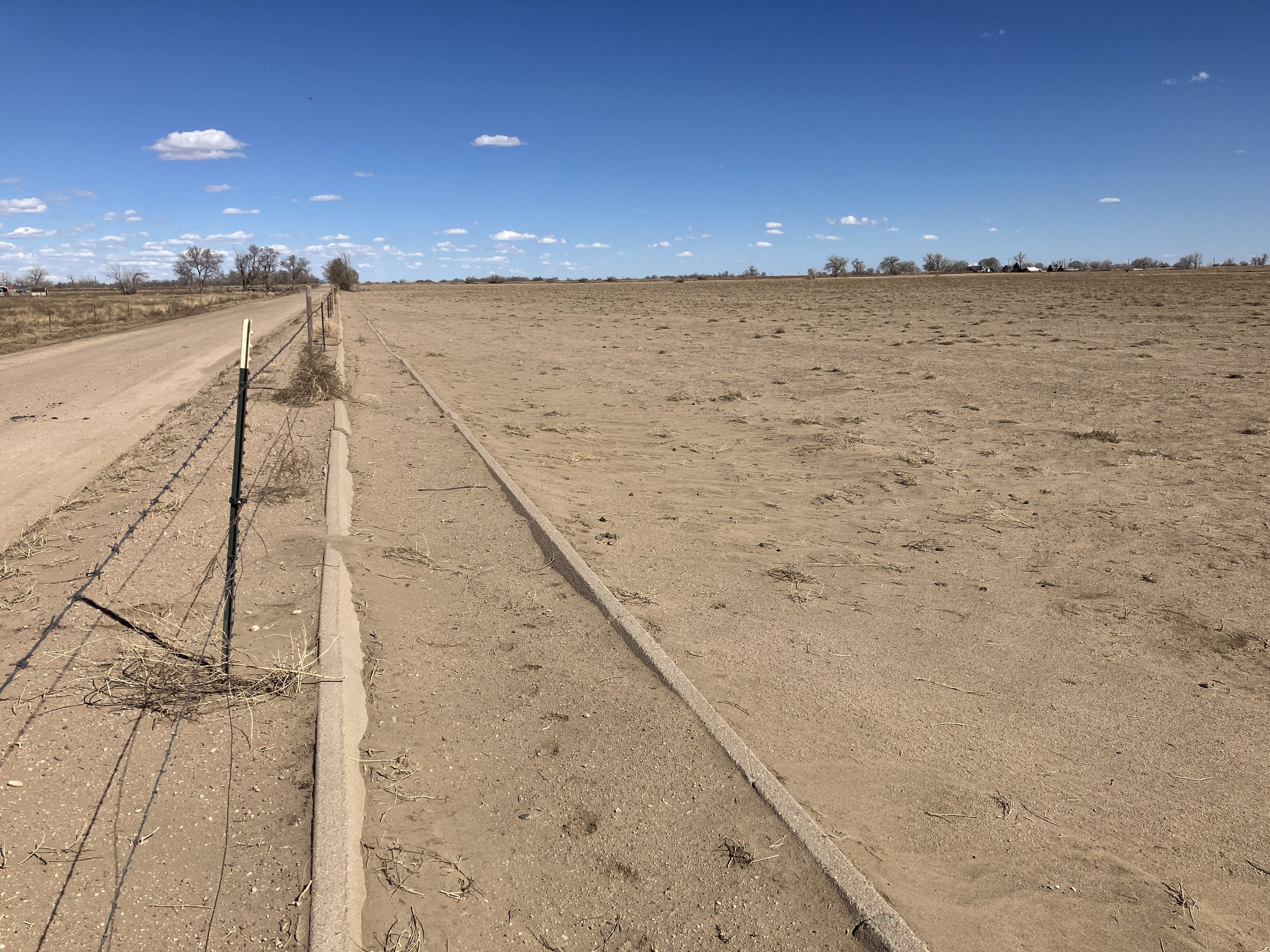
While "buy and dry" directly dries up irrigated agricultural land, its true impact reaches way beyond the farm gate. Understanding the mechanics of water exchanges reveals how these transfers quietly deplete portions of the river, degrade water quality, and impose significant environmental impacts on downstream communities throughout the Lower Arkansas Valley.
For example, when Colorado Springs buys water from a farm that historically received water from the Fort Lyon Canal, over 100 miles away, the city does not need to build a pipeline to the farm to access the water. Instead, it can use a water exchange to take water from the Arkansas River farther upstream.
Through an exchange, Colorado Springs does not take the water that would have physically reached the farm. Rather, it takes an equivalent amount of water from Pueblo Reservoir, nearly 100 miles upstream from the farm, where it can use one of two existing pipelines to pump water to the city. The water in Pueblo Reservoir is also cleaner than water in the Lower Arkansas River, making it a more desirable source for municipal use.
The result is that water that historically would have flowed downstream toward the farm no longer does since it is taken from the river farther upstream.
Colorado Springs then delivers the water to its customers. After it is used, much of it flows through the city's sewer system, is treated, and is released into Fountain Creek, which eventually flows back into the Arkansas River.
Colorado Springs is then able to use another exchange to “trade” the water back into Pueblo Reservoir, where it can be delivered to the city and used again.
This process can occur repeatedly until all of the water is fully consumed by Colorado Springs customers.
In simple terms:
The water doesn't have to travel from the actual farm to Colorado Springs. The water right is exchanged for cleaner water already stored upstream, allowing the city to access water much closer to its customers. This has impacts on water quality and river hydrology for everyone downstream in the Lower Arkansas Valley.
Why Cities Use Exchanges
Exchanges allow cities to access additional water from the Arkansas River without having to construct a pipeline and other necessary infrastructure that would be needed to physically move the water from those farms to the city many miles away. Because water quality generally declines as the river flows downstream, exchanges provide cities access to cleaner water upstream, making it easier and less expensive to deliver and treat the water for the city.
The Consequences
of Exchanges
Exchanges make it easier for cities to use water purchased from farms, but they also reduce the amount of water in the river and alter water quality.
Less Water in the River
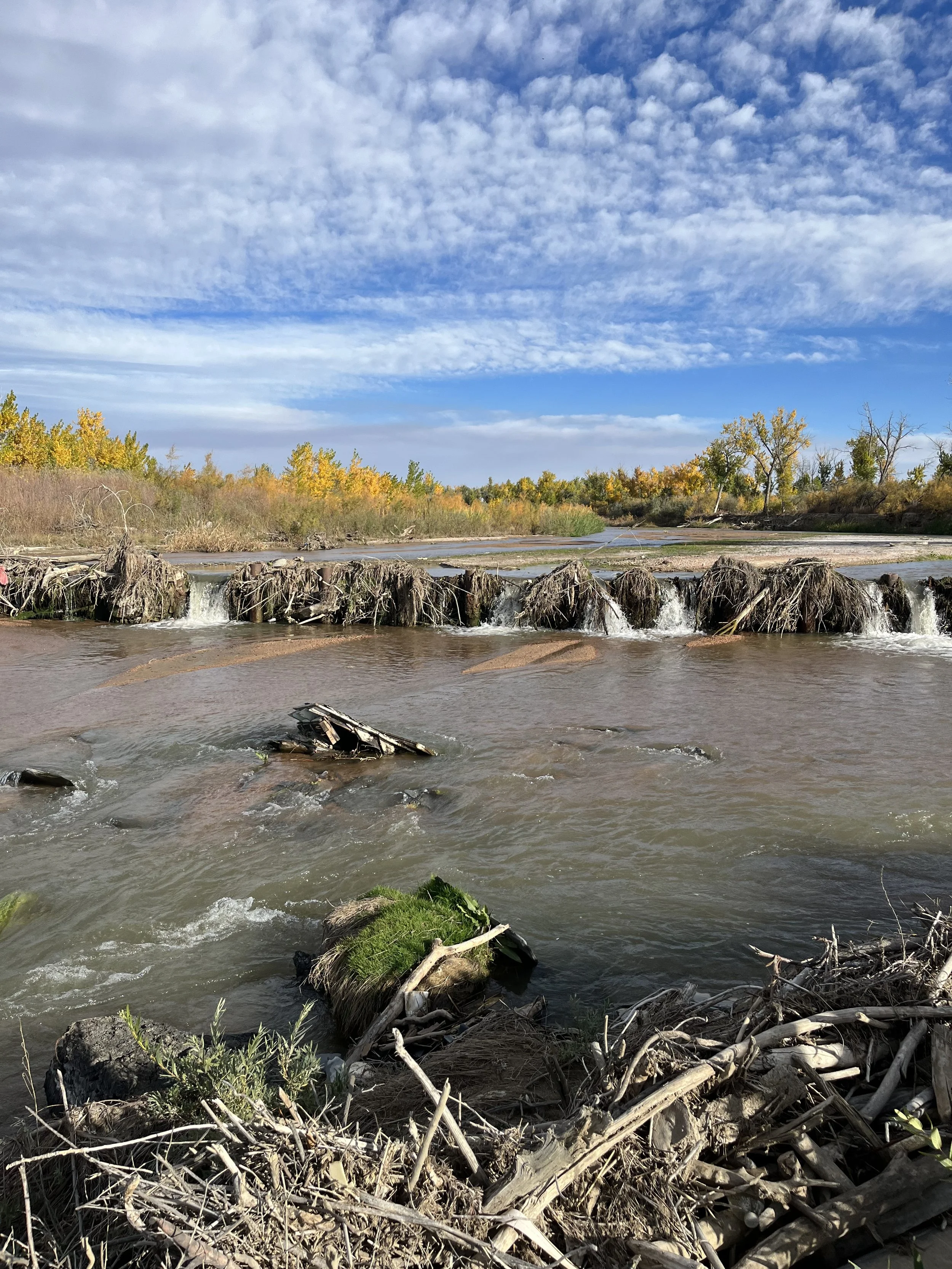
When cities like Colorado Springs acquire new supplies many miles downstream and take delivery of those supplies from higher up in the system, flows are diminished in that section of the Arkansas River—which can have impacts on boaters, fish, wildlife, and farmers and other water users who divert their water in that stretch.
With each new exchange, a portion of the Arkansas River headed to Lower Arkansas Valley water users that used to be sourced from snowmelt and other upstream precipitation is replaced with treated city wastewater that is commonly of lesser water quality.
Changes in Water Quality
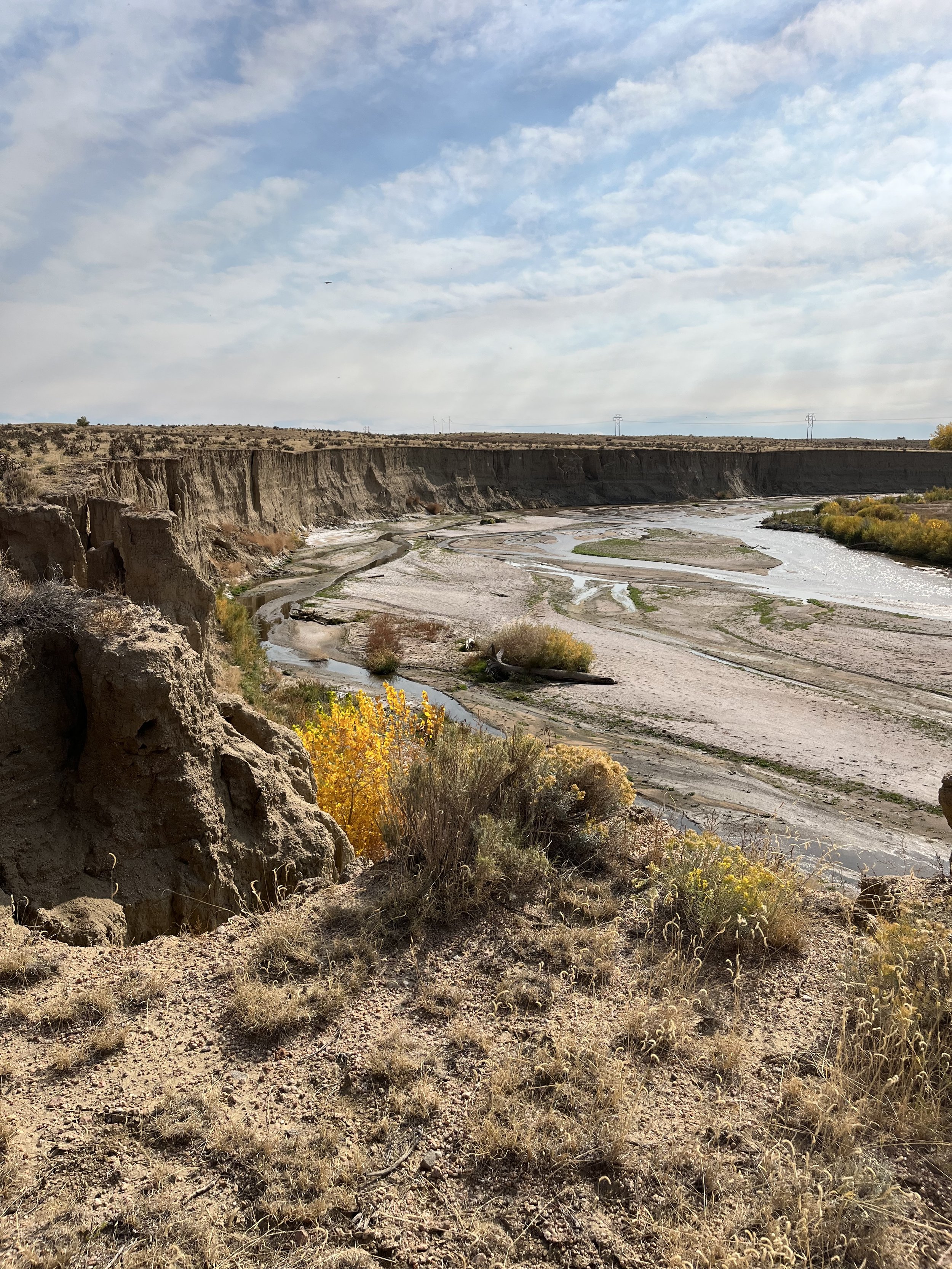
As Colorado Springs and other El Paso County communities continue to grow, a larger percentage of the water flowing into the Lower Arkansas Valley will come from Fountain Creek rather than upstream Arkansas River snowmelt.
Fountain Creek carries water from a growing urban area and has shown to have elevated levels of salts, E. coli, nitrogen, and selenium, especially when storms generate runoff from city lands.
This matters to the Lower Arkansas Valley because water quality affects how the river can be used. Salts and other pollutants can reduce the productivity of irrigated farmland. Within the Valley, crop yield reductions associated with excessive salinity range from 11% to 19%.
Lower flows and changing water quality also affect fish and wildlife and people who use the river for recreation.
As more downstream agricultural water is transferred to cities and exchanges increasingly change where water is taken from the river, a greater share of the water reaching the Lower Valley will come from urban sources rather than upstream snowmelt.
Environmental Impact
Agriculture has historically contributed non-point source contaminants to watersheds, but the movement in the Lower Arkansas Valley from flood irrigation to sprinklers and drip irrigation has reduced the sediment, phosphorus, nitrogen, and selenium-mobilizing nitrogen loads by 93,000 tons, 171,000 pounds, 2,048,000 pounds, and 17,617,000 pounds, respectively.
In other words, agricultural impacts are waning, while urban impacts are compounding.