
This week, the Lower Ark District plans to introduce legislation aimed at addressing the long-term impacts that can occur when irrigated farmland is permanently dried up as a result of a water transfer.
Over the past several decades, more than 100,000 acres of irrigated farmland in the Lower Arkansas Valley have been permanently dried-up, often as water is transferred to cities far away. While urban areas benefit, rural communities are left to cope with blowing dust, invasive weeds, soil erosion, and damage to roads, property, and equipment. In some cases, dust from dried fields has even contributed to fatal vehicle accidents.
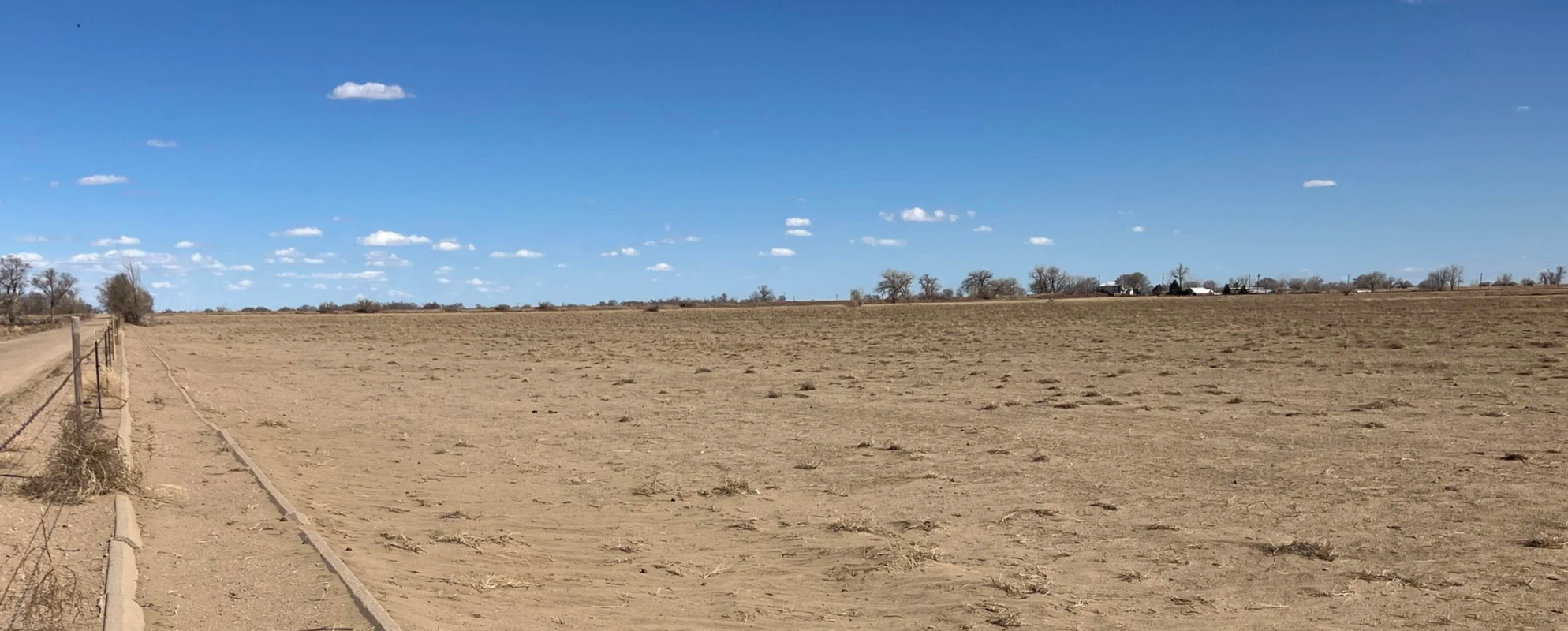
Current Colorado law, adopted in 1992, requires revegetation in water change cases but lacks clear standards and guidance on who is responsible. The proposed legislation would clarify expectations and protect counties and neighboring landowners. Under the bill, the water rights owner – typically a city or water speculator – would be responsible for reclaiming the land and covering associated costs. Formerly irrigated land must be revegetated, converted to dryland farming, or developed for other uses, with appropriate erosion and weed control. Standards would be set during the water court process or incorporated from county-issued 1041 land-use permits or policies, reinforcing local control.
The legislation also phases water use so only 50% of the water can be applied to new purposes immediately, with additional water available as reclamation milestones are met. Applicants seeking 100% immediate use could post a performance bond to the local county to ensure obligations are met.
At its core, this legislation is intended to improve clarity, accountability, and fairness, ensuring rural communities are not left to absorb the costs to reclaim land when irrigation water is permanently removed.
The Lower Ark District thanks Representative Ty Winter and Senator Rod Pelton for sponsoring this important legislation and for standing up for rural Colorado.
